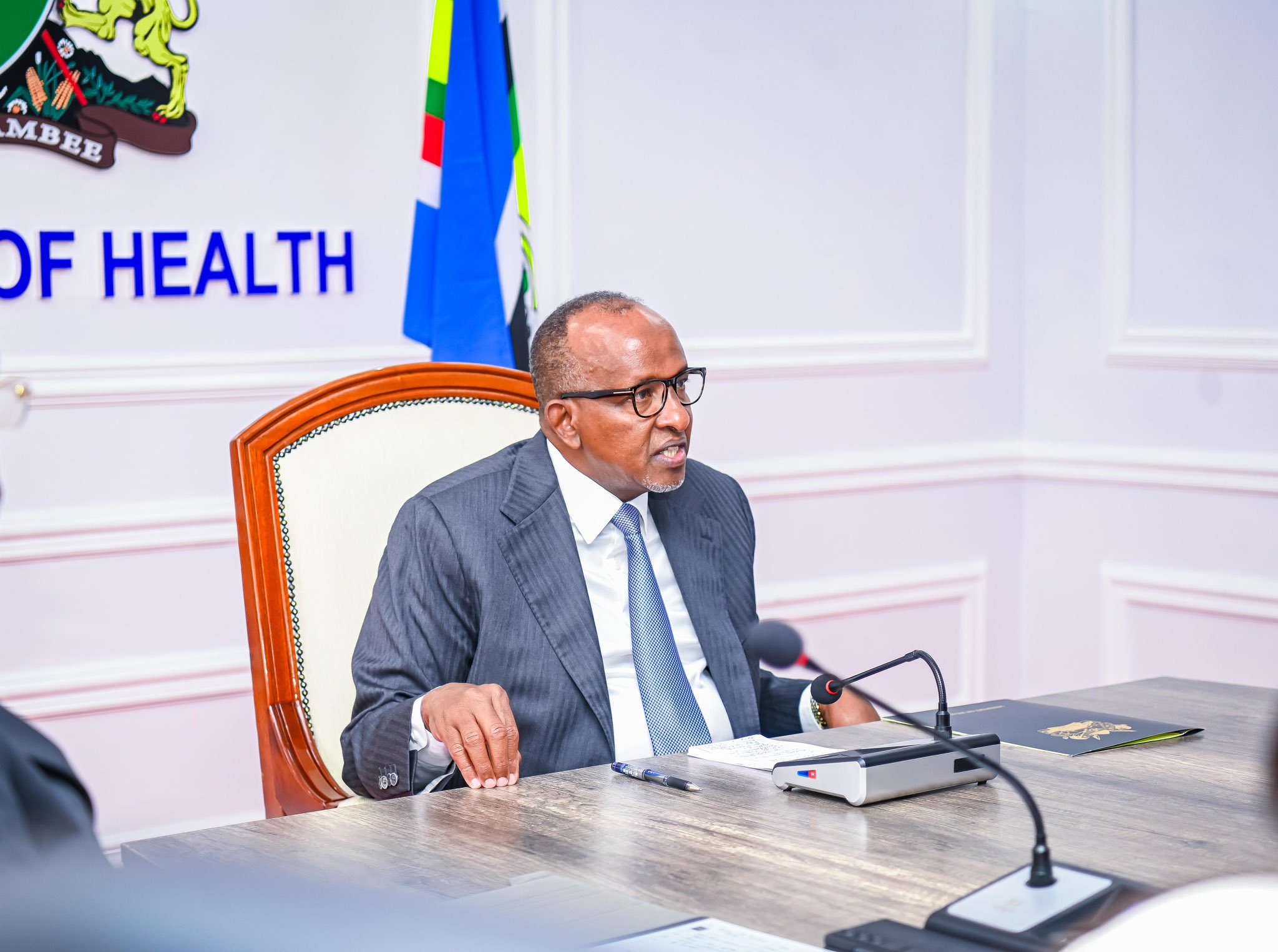
The Ministry of Health has unveiled plans to vaccinate nine out of every ten girls against cervical cancer before they reach Form 4, aiming to drastically reduce the disease by 2030.
The program is expected to cost Sh414.4 million over the next five years and forms part of a wider strategy to control cervical cancer across the country.
Health Cabinet Secretary Aden Duale officially launched the National Cervical Cancer Elimination Action Plan 2025–2030 on Thursday, setting the framework for prevention, screening, diagnosis, and treatment. The full plan will require Sh1.2 billion over five years.
About 6,000 Kenyan women are diagnosed with cervical cancer each year, making it the second most common cancer after breast cancer among women.
“To implement the health system strengthening interventions proposed in this action plan, Sh1.2 billion will be required over five years. Of this, 27 per cent is for interventions to be implemented primarily by counties, 16 per cent by the national government and 57 per cent is shared by the two levels of government,” said Health Director General Dr Patrick Amoth.
Immunisation will be delivered through health centres, dispensaries, and school-based campaigns. The action plan aligns with the World Health Organization’s global elimination strategy, which aims to vaccinate at least 90 per cent of girls by age 15, screen 70 per cent of women with high-performance HPV tests, and ensure 90 per cent of those with precancer or invasive cancer receive treatment by 2030.
The HPV vaccine is highly effective and can prevent up to 90 per cent of cervical cancer cases. Kenya introduced free vaccination for girls aged 10 to 14 in 2019, but has faced challenges in completing the two-dose schedule.
Currently, only one dose is needed for protection. By 2023, 54.7 per cent of girls aged 10–14 had received a single dose, while 44.3 per cent had completed both doses.
Screening remains slow, with only 48 per cent of targeted women screened in 2024. However, just six per cent were tested using HPV methods. Among those eligible for treatment, only 43 per cent received care.
“These gaps reveal that Kenya’s journey toward cervical cancer elimination is still incomplete and requires focused interventions,” Dr Amoth said.































Comments
Sign in with Google to comment, reply, and like comments.
Continue with Google